
6 Ways to Reduce Energy Costs for Your Business
In the modern business landscape, managing overhead is a constant challenge, and energy expenses consistently represent one of the most significant line items on any company's balance sheet. As utility rates fluctuate and environmental regulations become increasingly stringent, organizations are actively searching for sustainable, practical ways to lower their monthly bills without compromising their operational efficiency or employee comfort. Reducing your daily energy consumption isn’t merely about cutting immediate costs; it is a vital strategy for future-proofing your enterprise, enhancing your bottom line, and demonstrating corporate responsibility. By implementing a proactive approach to energy management, businesses can reclaim lost revenue and reinvest those funds into core growth initiatives and innovation. Below, we explore exactly six effective methods to reduce energy costs for your business while maintaining a consistently high standard of productivity.
1. Conduct a Comprehensive Facility Energy Audit
The first and most crucial step toward achieving significant savings is understanding exactly where your facility's power is going. A comprehensive energy audit provides a detailed roadmap of your consumption patterns, highlighting specific areas of waste that might otherwise go unnoticed by management. This diagnostic process often involves inspecting building insulation, checking for hidden air leaks around windows and doors, and evaluating the overall efficiency of heavy machinery and daily appliances.
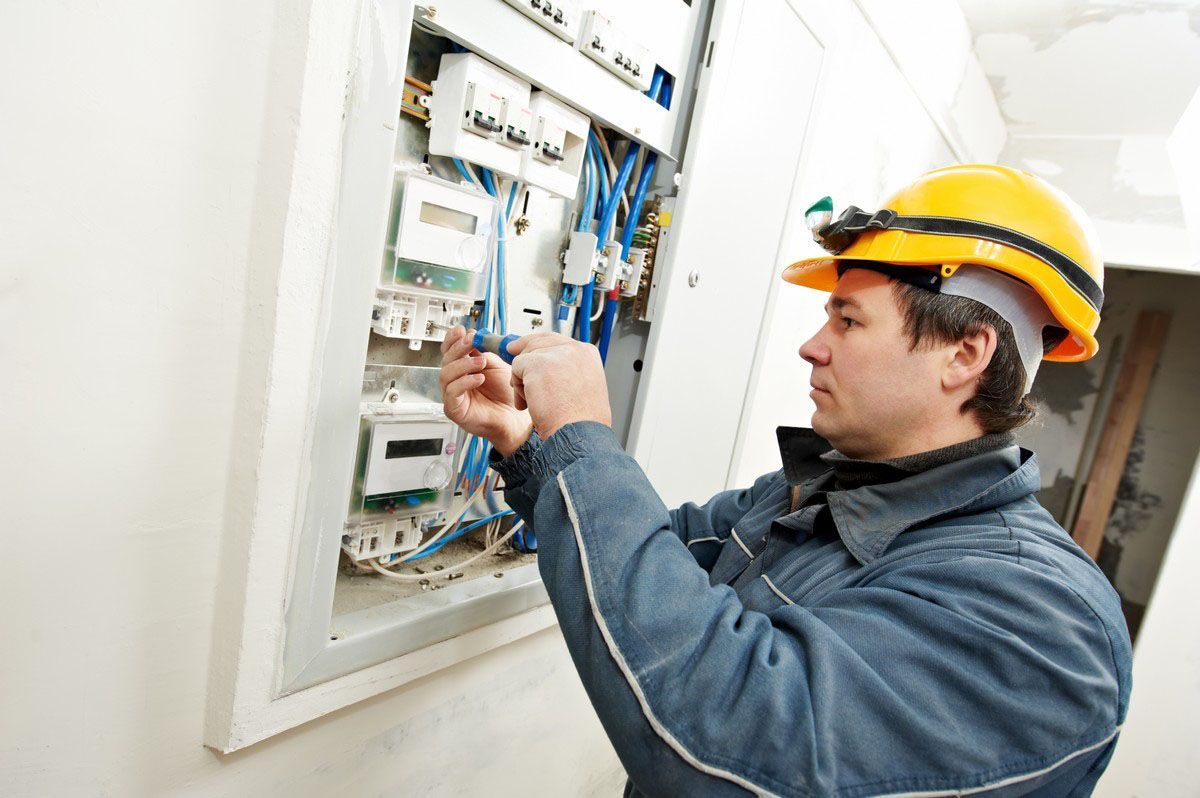
While some basic visual checks can certainly be performed internally by your maintenance staff, hiring professional commercial electricians to perform a thorough, technical audit ensures that absolutely no detail is overlooked. These experts utilize specialized diagnostic tools to measure voltage drops, assess power factor corrections, and identify hidden circuit overloads that actively contribute to invisible phantom energy loss. By pinpointing these hidden electrical inefficiencies, facility managers can prioritize systemic upgrades that offer the fastest and most substantial return on investment, directly lowering monthly operating expenses.
2. Transition to High-Efficiency LED Lighting Systems
Lighting is recognized as one of the easiest and most immediately impactful areas to address when looking to lower ongoing utility bills. Traditional incandescent and older fluorescent bulbs waste a staggering amount of electrical energy generating heat rather than illumination. In contrast, modern LED technology converts almost all utilized electricity directly into visible light. Upgrading to LEDs can reduce lighting-related energy use by up to seventy-five percent. Furthermore, LEDs boast a significantly longer operational lifespan, which reduces ongoing maintenance costs and the frequency of disruptive bulb replacements in high ceilings.
To maximize these financial benefits, many businesses bring in skilled commercial electricians to design a strategic lighting layout. This modernized layout often utilizes natural light harvesting and incorporates intelligent motion sensors or programmable timers. This ensures that lights are only active when a specific space is actually occupied, entirely preventing unnecessary power drain during off-hours or in low-traffic areas like vast storage closets and employee breakrooms.
3. Optimize HVAC Systems and Building Insulation
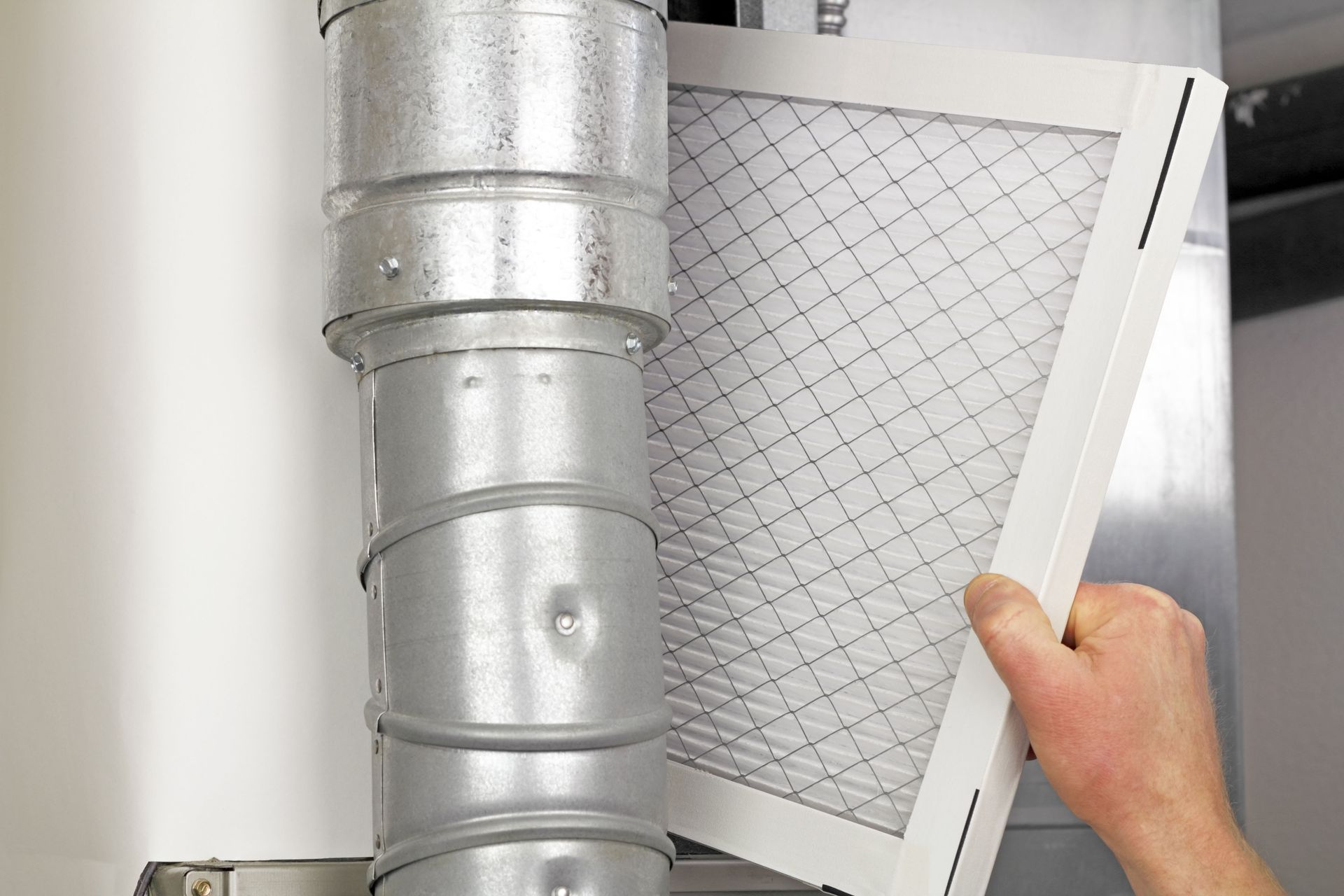
Heating, ventilation, and air conditioning (HVAC) systems typically account for the largest single portion of a commercial building's total energy consumption. If your facility's HVAC system is outdated or poorly maintained, it likely works much harder than necessary to maintain a comfortable ambient temperature, leading directly to spiked utility costs during extreme weather months. Regular mechanical maintenance, such as changing air filters and cleaning condenser coils, is absolutely essential. However, business owners must also consider the critical role of their underlying electrical infrastructure in supporting these units.
Many proactive companies depend on licensed commercial electricians to expertly wire and install advanced programmable thermostats and smart HVAC controllers that allow for precise climate management. Additionally, ensuring your building is well insulated and that all windows are tightly sealed prevents conditioned air from escaping. This reduces the mechanical load on your systems, minimizes electrical draw, and keeps your overall energy expenditures stable and entirely predictable throughout the changing seasons.
4. Address the Growing Power Demand of Digital Technology
As modern businesses become increasingly digitized, the energy required to power desktop computers, servers, and extensive networking equipment has skyrocketed across all industries. The active management of these digital assets is now a critical component of any cost-reduction strategy. According to the EIA, in 2024, computing (e.g., data centers) accounted for around eight percent of commercial sector electricity consumption; though by 2050 this could rise to 20%. This projection clearly highlights the urgent need for deploying energy-efficient hardware and maintaining optimized power distribution networks within your office walls.
To handle this exponentially growing demand safely and efficiently, businesses regularly hire commercial electricians to install dedicated, isolated circuits and high-efficiency power supplies. These specific upgrades actively prevent dangerous overheating and costly energy surges that damage sensitive electronics. Consolidating physical servers and migrating heavy computational tasks toward cloud-based solutions can also significantly help mitigate the rapidly rising electrical costs inherently associated with the massive digital expansion of the commercial sector.
5. Invest in Smart Power Management and Automation
The rapid rise of the "Internet of Things" (IoT) has introduced a revolutionary new era of energy management heavily driven by complex automation. Smart power strips, automated motorized window shades, and centralized building management systems finally allow business owners to control their physical environment with data-driven precision. These interconnected systems can automatically power down non-essential equipment at the immediate end of the workday and dynamically adjust indoor lighting levels based on the specific time of day or available sunlight. However, integrating these highly complex smart systems safely into an existing power grid always requires a high level of technical proficiency.
Highly trained commercial electricians are entirely necessary to ensure that new smart controllers are fully compatible with your current wiring. Furthermore, these commercial electricians guarantee that the delicate data communication lines remain properly shielded from disruptive electrical interference. Automation takes the daily guesswork out of energy saving, ensuring that your entire facility remains efficient even when direct human oversight is completely absent.
6. Upgrade Outdated Electrical Panels and Internal Wiring
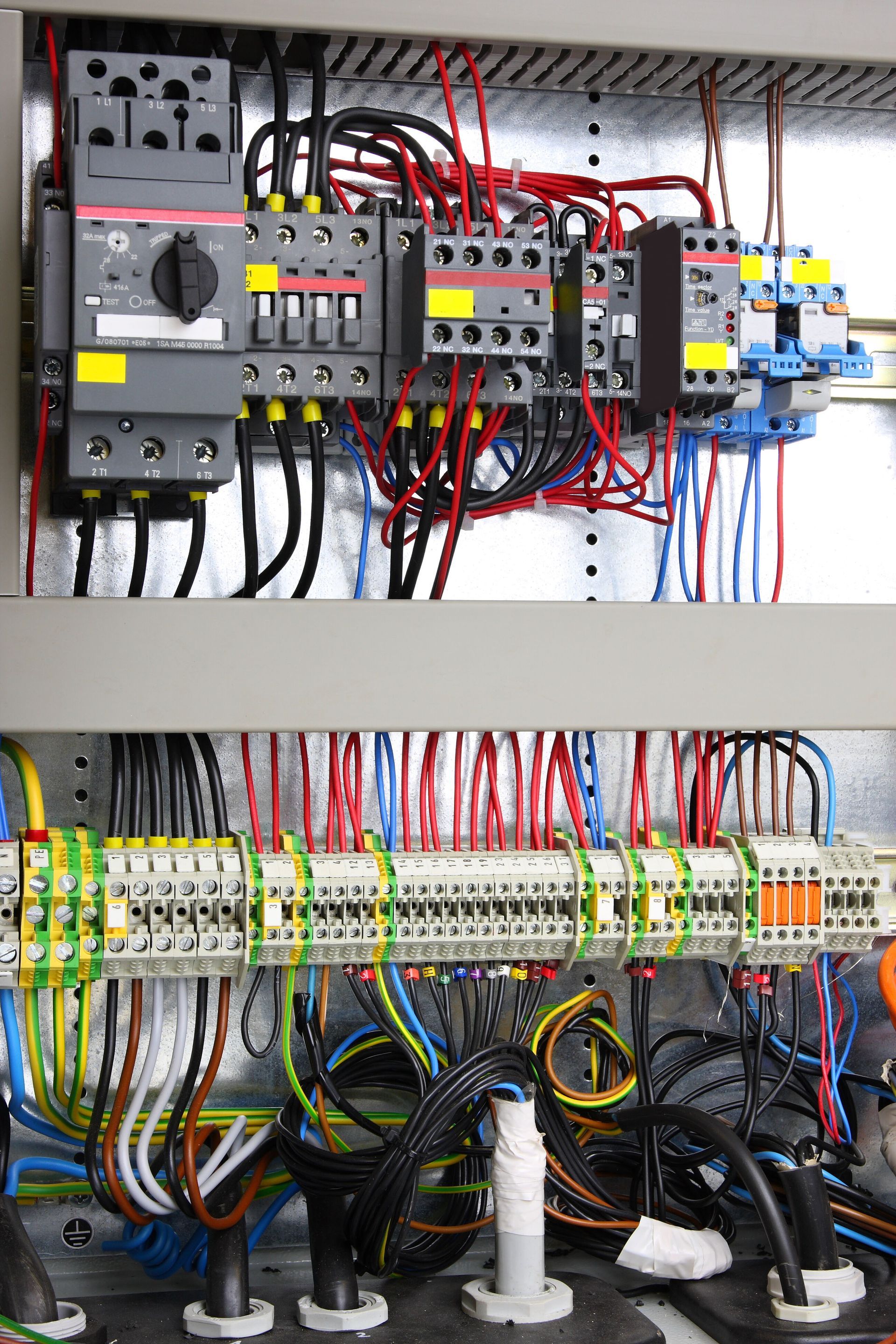
An aging electrical system is not only a safety hazard waiting to happen, but it is also a major, constant source of hidden energy inefficiency. Old, deteriorating wiring can develop high electrical resistance over time, causing valuable energy to be lost as ambient heat before it ever reaches your computers or machinery. Similarly, outdated and overloaded electrical panels may struggle to distribute modern power loads evenly, leading directly to equipment malfunctions or dangerous "brownouts" that disrupt workflow and are expensive to repair.
By enlisting commercial electricians to fully modernize your building's electrical service, you firmly ensure that your facility can handle modern, heavy loads without endlessly wasting expensive electricity. Furthermore, when commercial electricians install brand new panels, it allows for much better, localized monitoring of your daily energy usage and provides the absolute stability needed for high-demand industrial machinery to operate flawlessly.
Reducing ongoing energy costs for your business is a multi-faceted endeavor that requires both immediate action and careful, long-term planning. From the quick switch to LED bulbs to the integration of building automation and modernized electrical panels, every step taken toward efficiency contributes to a healthier bottom line. Beyond the financial gains, an energy-efficient business is more resilient, modern, and better positioned to handle the technological demands of the coming decades. Navigating the complexities of commercial power systems is a specialized task meant for seasoned professionals who understand the unique needs of a corporate environment. By prioritizing comprehensive energy management today, you are investing in the long-term longevity, safety, and profitability of your organization. Start reducing your energy footprint and modernizing your operations today by reaching out to the experts at Woodmere Electric & Communications.


Share On: